

Few materials offer the versatility of timber. For centuries, lumber has been processed into beams and planks for structural purposes, used inside on flooring and furniture, wood chipped into paper and even used in musical instruments. Timber in the manufacturing process has become more sophisticated utilising technology such as machine vision and computer aided sawing systems to minimise wastage whilst improving operator safety. At every stage of the timber value process, Matthews leading range of wood printing, branding, and marking solutions offer automated integration enabling product traceability and authenticity.
Pallets are a critical mechanism to transport and store inventory within and between organisations and amongst freight and logistics intermediaries. Pallet Manufactures commonly utilise timber in construction, however plastic, metal or corrugated cardboard is also available.
Pallet identification and traceability solutions typically employ either stencilling, stamping or integrated industrial inkjet printers that imprint not only branding information, but also key compliance logos such as the IPPC, and EPAL marking. Increasingly, pallet printing utilises larger character drop on demand (DOD) printers to provide better legibility that can be more easily read at a distance.

Timber treatments such as solvent-based preservatives, including Light Organic Solvent Preservative (LOSP) systems, are essential for protecting the product. But they can make reliable coding much harder to achieve.
LOSP and other oil or petroleum-based treatments affect how a code behaves on the surface and within the timber. Adhesion can be inconsistent, penetration can vary, and over time codes can lose contrast or clarity, especially on porous or uneven material.
Without the right approach, codes can:
For manufacturers, this is more than just a marking issue. It creates risk around traceability, compliance, and product identification downstream.
Matthews works with timber processors to get this right from the start. By matching the coding solution to the treatment process and the substrate, we help ensure codes stay clear, readable, and compliant, even after LOSP treatment and exposure to real-world conditions.
The result is consistent identification you can rely on, from production through to end use.
.gif)
Matthews’ advanced technology and expertise makes it easy to print alphanumeric and geometric technical specifications, as well as branding, on various grades and lengths of timber. Even at high speeds in demanding, hot and dusty environments.
Because timber generally moves along a production line in random order, we can link the coders to your timber mill’s grading system. This means the specifications for each stick coming down the line are known automatically, and the printed message is adjusted accordingly – without any operator intervention and OH&S risks.
Large Character Drop on Demand (DOD) inkjet printers are popular in mills for timber marking, plasterboard printing and printing on pallets, as they are robust and can easily withstand dust and vibrations. They can also print at speed, helping to improve your throughput. Depending on the application, other coders or labellers can also be used to code timber. For smaller operations or lower throughput lines, Matthews also offers handheld thermal inkjet (TIJ) solutions, providing a simple and cost-effective way to apply clear, compliant codes without complex installation.
Matthews can provide a tailored solution for your hardware, timber or wood pallet marking business—talk to our experts today.
.png)


We’re proud to supply premium coding and labelling systems and software Australia-wide, including innovative solutions for wood coding. Our products are available across Melbourne, Canberra, Sydney, Brisbane, Darwin, Perth, Adelaide, Hobart, and everywhere in between. Get in touch with our team today to see how your business can benefit.
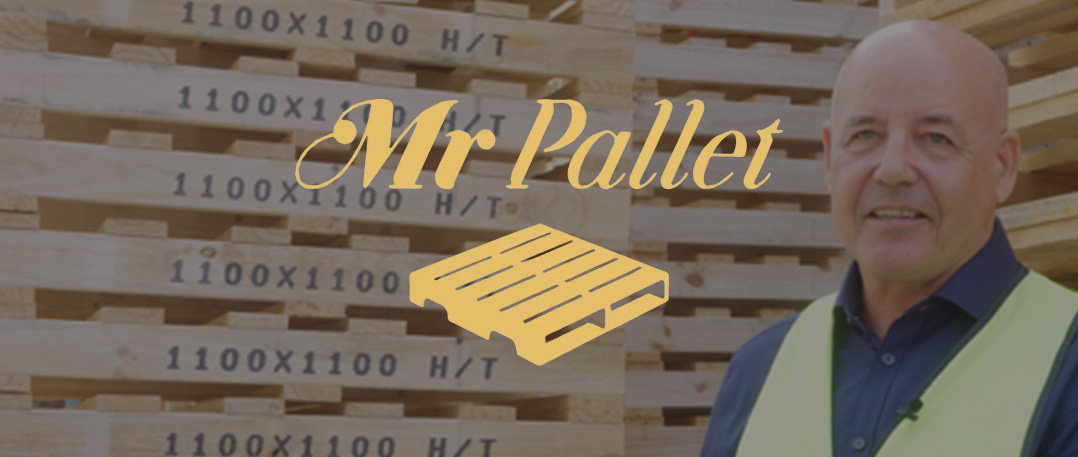
Nima tells the story of how his business has grown alongside support from his partnership with Matthews Australasia.
Submit a quick quote request and one of our product specialists will action your request within 24hrs!


