
Laser product marking is an extremely fast, cost-effective way to mark permanent codes onto products. With no consumables and easy implementation, Matthews’ laser product marking solutions get the high quality results you want, without the hassle.
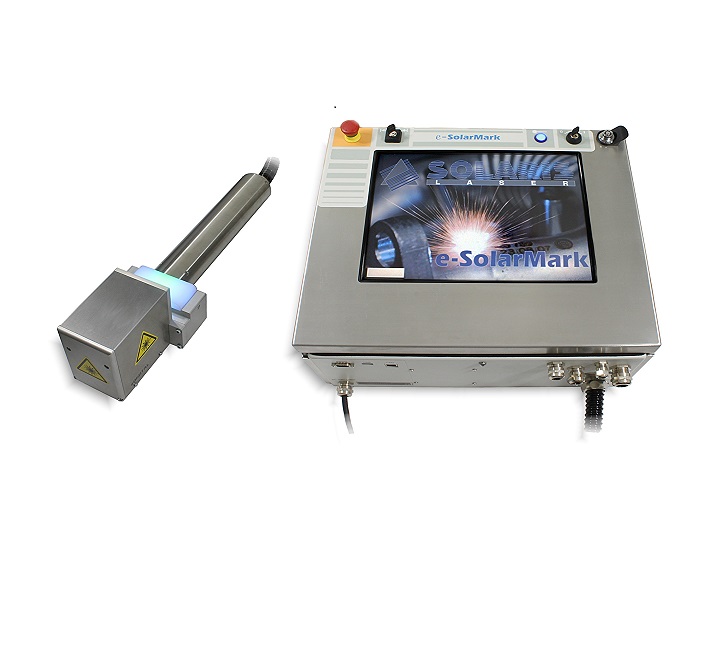
Innovative solution for permanent marking onto a wide variety of packaging foils, metals, plastics and other hard surfaces.
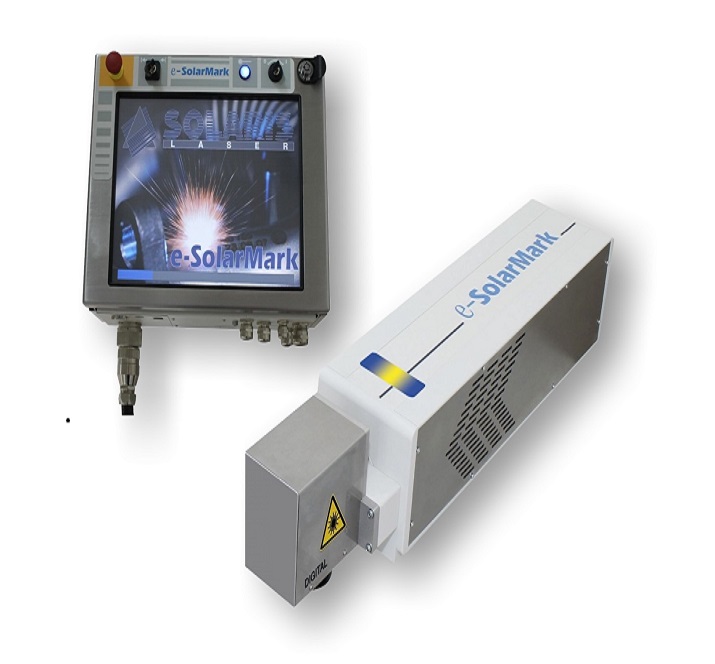
A cost-effective product marking laser system with low operation costs, no maintenance and no consumables.
.jpg)
Apply permanent marks onto your products easily with Matthews range of Lasers. Lasers allow you to apply human-readable text on both primary and secondary packaging, as well as barcodes. Because lasers are permanent marking solutions they can mark onto glass, plastics (such as PET, polystyrene and polypropylene), metal and cardboard, making them ideal for a wide range of industries, from beverage, pharmaceutical and snack foods, through to industrial metals.
With minimal ongoing maintenance and no consumables it helps to reduce the total cost of ownership. Along with this as the Laser doesn't use consumables, it makes the laser a more environmentally friendly product marking solution.
Laser marking works by first removing material from the area to be marked then it marks a fine groove into, resulting in an indelible mark.
There are numerous ways that a laser can permanently mark onto a product, including;
Etching
Ablation
Cutting
Carbonizing
The marking process can all be done at incredibly high line speeds without losing quality on the final mark.
Applications where the mark must be permanent e.g. anti-counterfeiting, seralisation
Applications where product presentation is very important e.g. Wine industry
High-speed lines where cost of consumables may be very high
With no consumables, laser markers offer a cost effective solution for high-speed lines. Investment payback can be less than three years on medium-volume production lines.
We’re proud to supply premium laser markers Australia wide. Our innovative products and solutions are available across Melbourne, Canberra, Sydney, Brisbane, Darwin, Perth, Adelaide, Hobart and everywhere in between. Get in touch with our team today to see how your business can benefit.
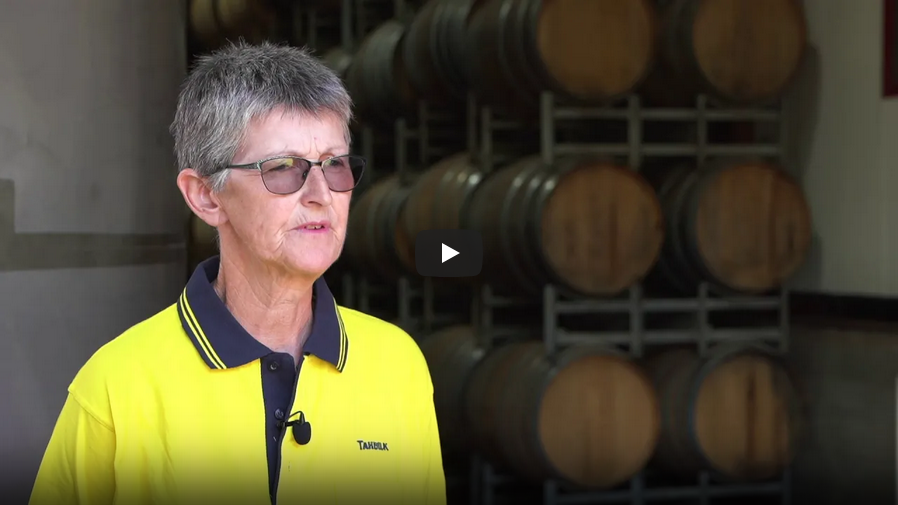
Tahbilk Winery is a 5th generation, family owned Australian business located in the Goulburn Valley Wine Region of Victoria. Tahbilk approached Matthews to help with their laser marking needs on their bottling production line.
"Laser improved our productivity on the line"
.jpg)
At Matthews we provide a range of coding, labeling and inspection solutions to help meet your production line needs. The range of Solaris lasers we sell, produce permanent barcodes, text and images at an extremely high quality with ease. Lasers are an ideal solution when you're printing at high line speeds where presentation and legibility is crucial. They are therefore not only a cost effective solution as you have no consumables costs, but also an environmentally friendlier option.

Take advantage of high quality, durable branding & marking solutions from Matthews. From medical equipment to heavy industrial goods to timber, Matthews can provide flexible, advanced technology that works for your products.
Matthews’ carton labelling and carton coding solutions are an easy and cost-effective way to get high quality, robust labels onto your cartons. No matter the production environment or line speed. Learn more about our Coders and Label Printer Applicat ...

Get precise, easy-to-read and indelible date codes and batch codes for your products. With Matthews’ years of experience and technology expertise, you have everything you need to implement compliant coding solutions you and your customers can count o ...
Pack more product information into less space with 2D coding. Take advantage of the latest two-dimensional codes for your business. With Matthews’ 2D coding solutions, it’s never been easier.
Whatever your retail product, Matthews has the coding or labelling solution to make sure you have primary barcodes that scan first time, every time. As a GS1 Strategic Alliance Partner, we can help you implement the right technology to apply barcode ...
Boost sales and generate brand loyalty with promotional coding solutions from Matthews. Find out how to print QR codes and alphanumeric codes onto your products. Matthews makes it easy and cost-effective to tap into the power of on-pack promotions fo ...
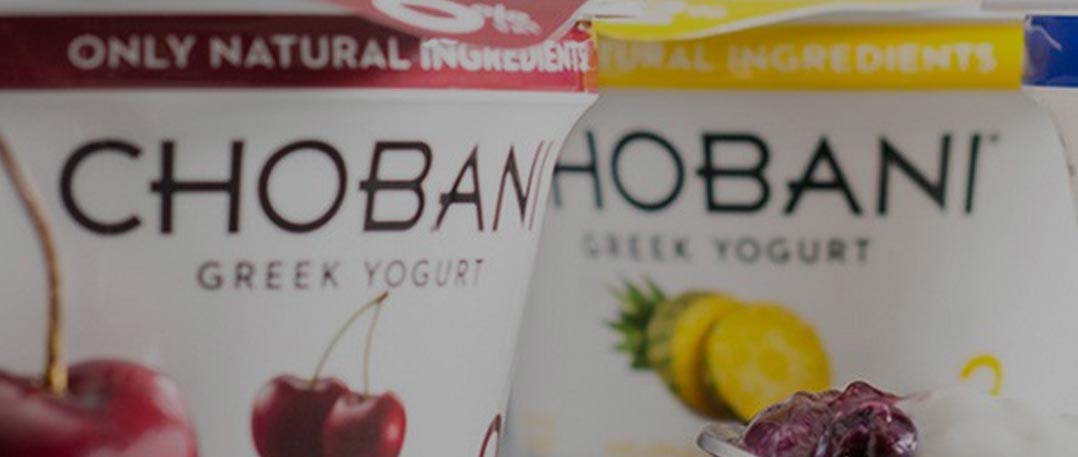
Chobani was founded on the belief that people have great taste, they just need better options. It is this holistic position that has allowed Chobani to become the Number 1 yoghurt brand in the Australian market.
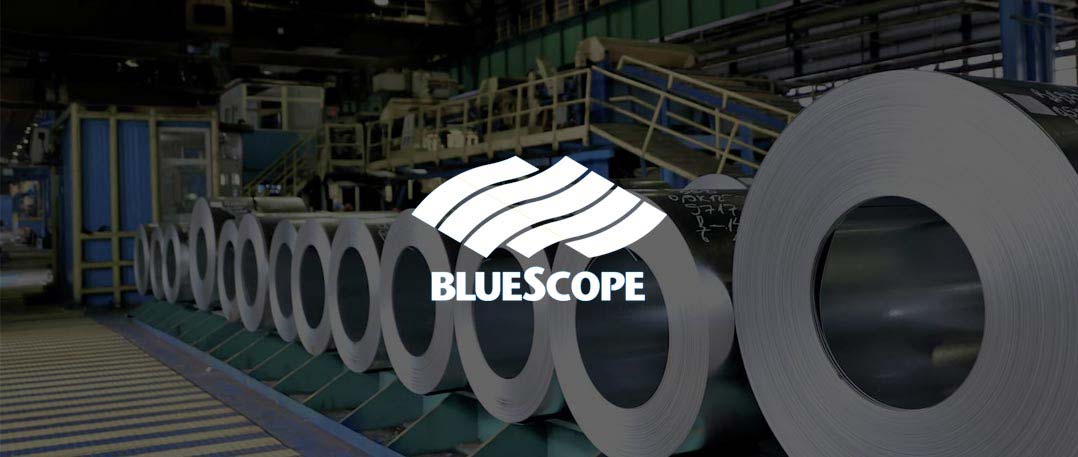
Colorbond is a premium product, with high recognition and desirability among end users. With several products that look similar, find out how Bluescope used laser marking to protect its brand integrity.
Submit a quick quote request and one of our product specialists will action your request within 24hrs!
